The Owner-First Era: What Hotel Operators Need to Know in 2025
The hotel industry's power dynamics are shifting, and if you're a GM, asset manager, or operator, you need to understand what's happening. The hotel business is entering an owner-first era, according to recent industry analysis. This isn't just a buzzword, it's a structural change in how hotels are financed, operated, and evaluated. Owners are no longer simply flying a brand flag; they're demanding that operators prove profitability, reduce costs, and align with the owner's P&L and asset-value goals.
What's Changing: The Traditional Model Under Pressure
For decades, global hotel brands pursued what they called an "asset-light" model. Brands owned few buildings. They made money from management fees, franchise fees, and system fees, while owners carried the real-estate risk and heavy capex burden. This worked great for brand corporate teams and shareholders. It worked less well for owners when performance dipped, interest rates climbed, or brands mandated expensive technology upgrades.
That imbalance is now being openly questioned. Owners today are far more sophisticated, more selective, and more willing to push back. Many are managing hotels as part of diversified real-estate or investment portfolios, comparing hotel returns against other assets. When a brand or operator can't justify its value through hard financial outcomes, owners are increasingly willing to walk away or demand restructured deals.
Several factors are driving this shift. Higher interest rates and financing costs have made every basis point of operating margin matter. Owner-operators are benchmarking performance against comp sets and public data more than ever. And the hotel brand landscape is crowded, a flag alone no longer guarantees outperformance. Owners want partners who can grow NOI and protect asset value, full stop.
Why This Matters Right Now for Your Property
Your contract is now a profit conversation, not a brand conversation. Management and franchise agreements are increasingly judged on hard P&L impact. If you're seeing new owners or assets under management, expect stronger performance tests, more negotiation on tech and brand-program fees, and closer scrutiny of capex timelines. Operators that understand owner economics, not just brand KPIs, will win the good deals.
Technology costs are under the microscope. Many brands mandate a full stack: PMS, channel manager, revenue-management system, booking engine, loyalty integration, guest app, BI tools, F&B POS. Owners increasingly question this without seeing clear ROI data. If your tech isn't demonstrably moving the needle on direct bookings, OTA cost reduction, ADR uplift, or labor savings, expect pushback. You'll need to justify every system with concrete metrics or be willing to explore alternatives.
Distribution efficiency is a key differentiator. In an owner-first era, operators that can shift revenue toward higher-margin channels (direct, corporate, group) while lowering OTA dependency and commission costs are far more valuable. This means really knowing your channel profitability, not just revenue by source, but net revenue after costs. It also means optimizing your booking engine and website to convert better, and using upselling to capture incremental room revenue and ancillary sales.
Operations and labor productivity are at the forefront of owner concerns. With financing costs and wage pressures high, every labor-hour and cost-line item is examined. Owners want to see how your PMS, housekeeping tools, scheduling systems, and F&B tech are making teams more efficient. Simple things like productivity-based scheduling, preventive maintenance tracking, and menu engineering now directly affect owner trust and willingness to reinvest.
What You Can Do Starting Now
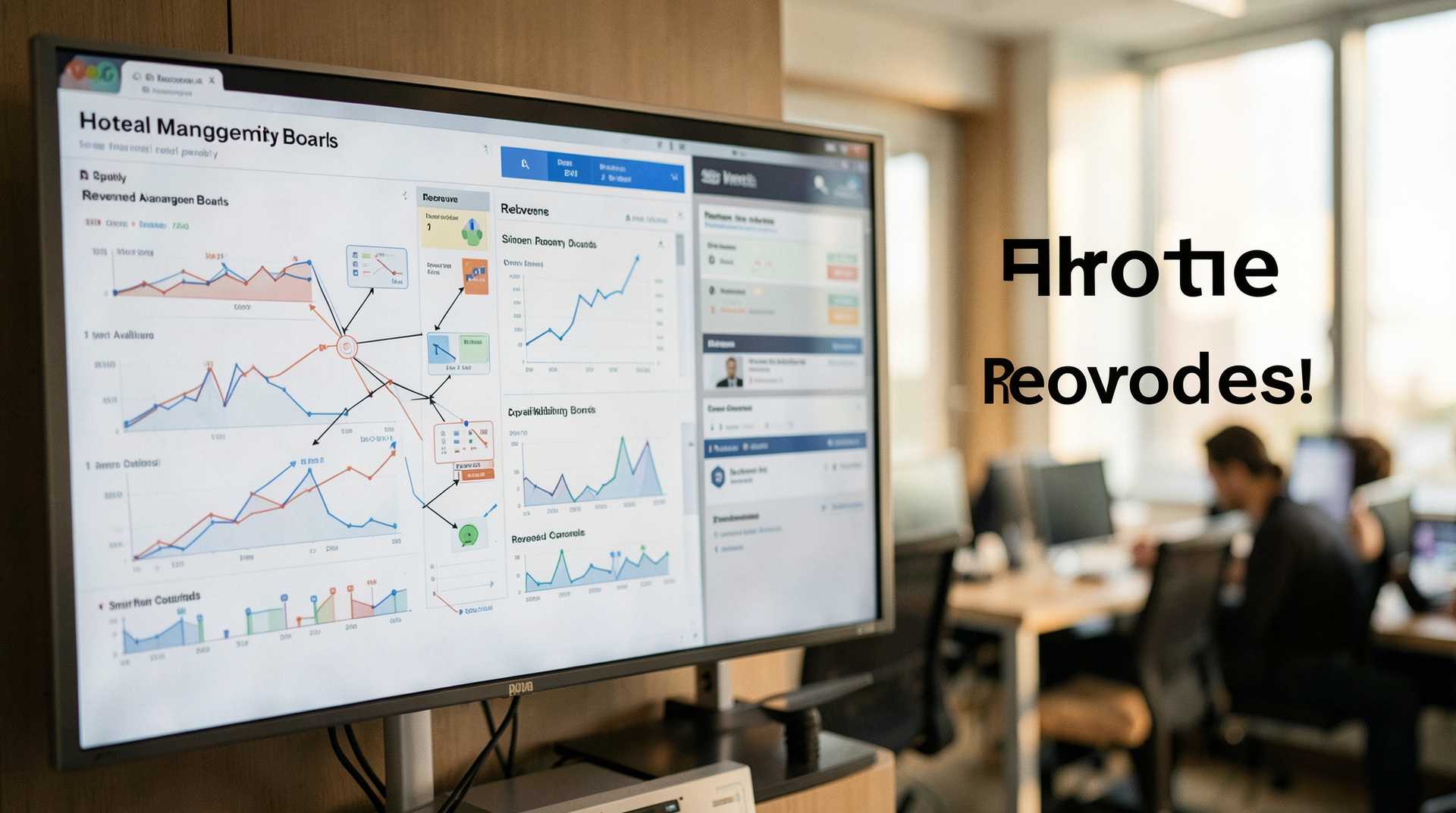
Reframe your relationship with owners as a performance partnership. The first step is making owner P&L your primary dashboard. Start building monthly reporting that connects RevPAR and occupancy to GOP and NOI. Show distribution mix (direct vs OTA vs corporate), ancillary revenue, labor costs by department, and how each system fee and tech cost ties back to measurable results. This transparency isn't just defensive, it demonstrates financial literacy and builds trust.
Audit your tech stack with a hard ROI lens. For every mandated or proposed system, ask: Can we prove incremental direct bookings? Lower OTA commissions? Higher ADR via better segmentation? Increased ancillary revenue? Labor savings? If the answer is no, either drop the tool, renegotiate its fee, or commit to using all of its features. When a brand mandates a system, present clear data to owners on what that system actually delivers.
Double down on revenue management and distribution sophistication. Make sure your RMS is tightly integrated with your PMS and channel manager so rate and inventory updates flow in real time. Build detailed channel profitability analysis by segment (corporate, leisure, OTA, direct, group). Track net ADR after commissions and costs. Optimize your booking engine for conversion and upsells, room upgrades, breakfast, late checkout, parking. Demonstrable RevPAR index gains and better net revenue will be core to how owners judge operator quality.
Use technology to optimize operations and reduce costs. Housekeeping scheduling should move toward productivity-based models, rooms cleaned per shift, dynamic routing, using your PMS housekeeping module. Implement preventive maintenance scheduling to reduce major capex shocks. Use labor-management tools to align staffing with demand forecasts from your PMS and RMS. If you have F&B, integrate your POS with the PMS so you capture covers, average check, and room charges accurately. Present owners with labor productivity metrics, labor cost per occupied room, per cover, and show how tech and process changes are improving them.
Treat sustainability as asset-value protection, not a marketing add-on. Owners care about environmental and regulatory risk because it affects long-term valuation and refinancing options. Use building management systems, IoT sensors, and PMS data to track energy use per occupied room. Implement smart controls and optimize housekeeping frequency based on stay length. Present ESG projects with simple payback periods, LED lighting, smart thermostats, water fixtures, and show how they affect NOI and asset value.
Strengthen owner communication and governance. In an owner-first era, poor communication erodes trust quickly. Establish regular monthly or quarterly owner meetings with clear financial performance reviews, distribution and RM insights, and operational KPIs (guest satisfaction, staff turnover, maintenance backlog). Share data exports from your PMS, RMS, and BI tools to demonstrate transparency. Be proactive about flagging risks early, new local regulations, wage pressures, market shifts.
Takeaway
The owner-first era is here. It means your role as operator or GM is evolving from "deliver the brand promise" to "grow owner NOI and asset value while delivering the brand promise." The good news: owners who feel heard, see transparent data, and experience consistent profit growth become long-term partners and repeat operators. Start by understanding owner P&L, auditing your tech for real ROI, and proving that smarter revenue management, efficient operations, and strategic capex drive measurable returns. That's the language owners speak, and it's the language that wins contracts and builds careers in this new era.