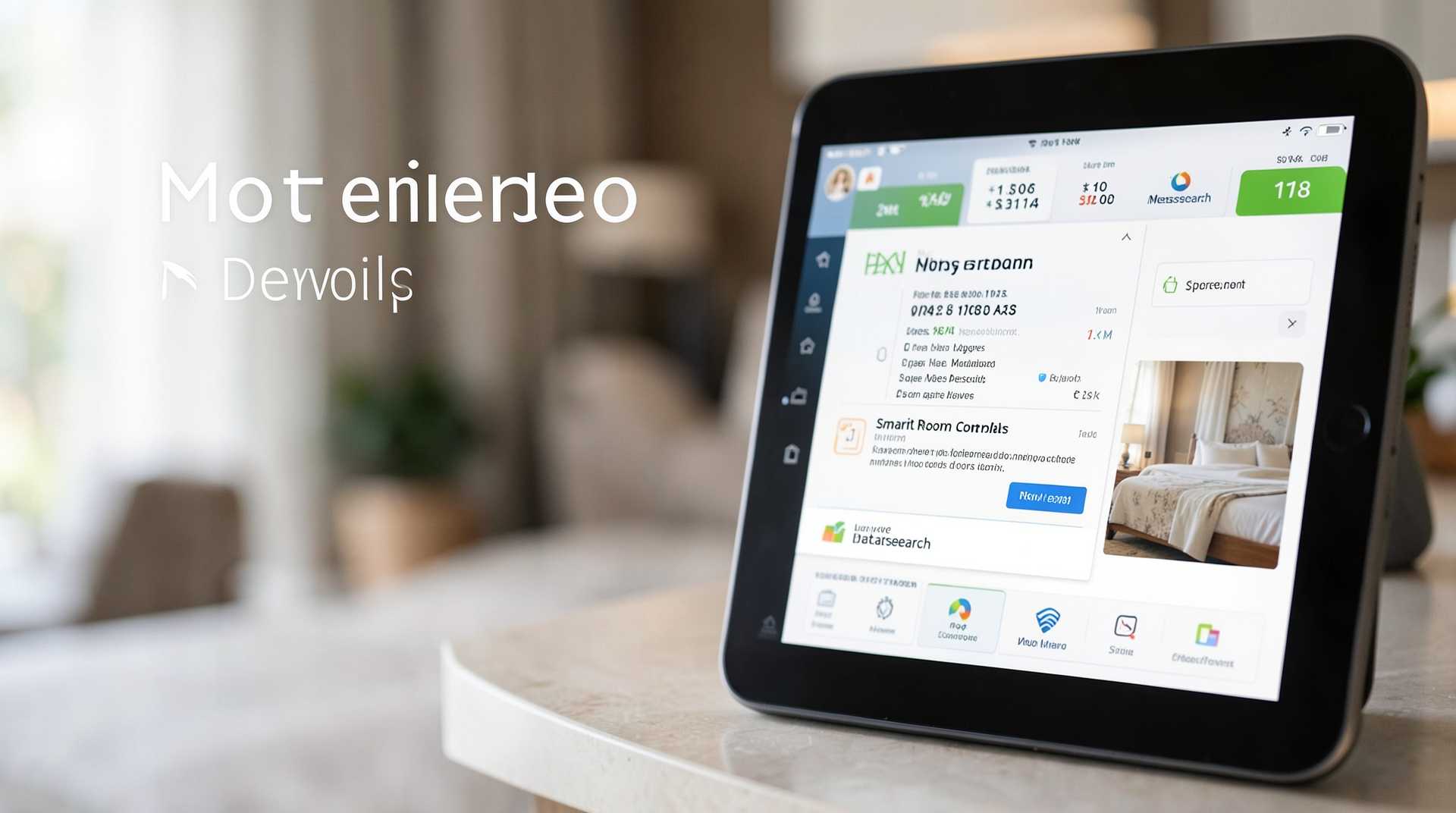
Google's Agentic AI Is Redefining Travel Bookings—What Hotels Need to Know Now
Google Cloud just showed the travel industry what the future of autonomous booking looks like, and it's moving faster than most hotels realize. At Google Cloud Next, the company demonstrated agentic AI systems that don't just chat or suggest options; they actively plan, decide, and book entire trips across fragmented systems like PMS, CRS, and CRM platforms, with Virgin Voyages as the flagship example of how to orchestrate cruise, hotel, and flight bookings into one seamless experience. If you're a hotel manager watching from the sidelines, here's why this matters to your bottom line, and what to do about it.
What Agentic AI Actually Does (And Why It's Different)
You've probably heard about ChatGPT and generative AI suggesting rates or drafting emails. Agentic AI operates in a completely different league. Instead of reacting to guest requests, agentic systems proactively plan multi-step trips, execute decisions across systems, and adjust on the fly. That means real-world actions: auto-adjusting your room rates to undercut competitors, rescheduling housekeeping for a late check-out, rebooking a guest's hotel room when their flight is delayed, or fulfilling room service requests by routing orders to the kitchen with live arrival estimates.
Virgin Voyages' Rovey AI assistant, built with Google Cloud's Gemini Enterprise technology, uses data from over 60 itineraries and 150+ destinations to guide guests through complex booking decisions, reducing friction and increasing spending per booking. The key difference: the AI doesn't just present options, it orchestrates the entire journey, handling discovery, decision-making, and fulfillment without a human in every step.
Why This Matters for Your Hotel Right Now
The OTA dependency trap. For years, hotels have relied on distribution partners to reach guests, but agentic AI is reclaiming that control by enabling direct, AI-orchestrated bookings. When an AI agent plans a trip, it can now bundle your hotel with flights, restaurants, and activities in a personalized itinerary, or it can bypass you entirely if you're not integrated. The hotels that move first will dominate these AI-orchestrated booking flows. Laggards will become commodity options on OTA platforms.
Revenue potential is massive. Agentic AI enables real-time dynamic pricing, personalized upsells, and A/B marketing tests at scale. Imagine your PMS automatically launching rate tests on high-demand weekends, or your mobile app offering spa upgrades to guests based on their history and local events happening that night, all happening 24/7 without a revenue manager manually tweaking numbers. Early reports show 5–10% RevPAR improvements from these tools.
Operations get leaner. Agentic AI automates 30% or more of routine operational tasks: predictive maintenance based on IoT sensor data, dynamic staff scheduling, menu engineering for F&B profitability, and even guest request fulfillment. With hospitality facing persistent labor shortages, this is not a nice-to-have, it's survival.
Guest experience becomes hyper-personalized. Agentic systems deliver 24/7 concierge-level service by handling disruptions seamlessly, personalizing itineraries, and tailoring upsells in real time. A guest's flight is delayed? Their hotel room is automatically reboked, and they're notified with new check-in options. A VIP arrives? The AI has already flagged preferred room setup, special dining requests, and concierge recommendations in the PMS. This drives loyalty, repeat bookings, and better reviews.
The Fragmentation Problem, And How to Fix It
Here's the catch: agentic AI lives or dies by data access. If your PMS, channel manager, CRM, and housekeeping tools don't talk to each other, an AI agent can't orchestrate anything. Google Cloud emphasized a "unified data layer" as essential for travel companies struggling with fragmented tech stacks, and most hotels are struggling.
First, audit what you have. Look at your current PMS (Oracle Opera, MariaDB, etc.), your channel manager (like SiteMinder), your CRM system, and any housekeeping or maintenance tools. Do they have APIs? Can they integrate? Can your data flow freely between them, or does it get stuck in silos? If you can't answer these questions, that's your first project.
Next, prioritize integration. Not all integrations are equally valuable. Start by connecting your PMS to your channel manager and revenue management tool, that's where rate optimization and distribution happen. Then add your CRM and booking engine for personalization. Many providers now offer plug-and-play integrations or managed services that simplify this; platforms like SiteMinder work across channel managers, PMS, and CRS systems, so they're good starting points.
Then, test APIs with your vendor. Before committing to a big integration, ask your vendors about agentic AI readiness. Can they support autonomous actions (e.g., auto-adjusting rates)? Do they have governance controls so you can set thresholds, like "only adjust rates within 10% of my baseline"? The best vendors will have answers. If they don't, that's a signal to reconsider.
Practical Steps to Get Started (Without Ripping Out Your Tech)
Start with high-ROI pilots. You don't need to transform everything at once. Pick one or two areas where agentic AI will deliver obvious value: dynamic pricing for peak seasons, or automated late-checkout rescheduling that frees up housekeeping time. Run a 4–8 week pilot, measure the impact (target at least 5% RevPAR lift or 10% cost savings), and then expand.
Invest in data quality. Agentic AI is only as good as the data it learns from. Spend time cleaning up your guest history, booking data, and operational metrics. Make sure your PMS is consistently updated, your guest profiles have accurate preferences, and your revenue data is accurate. This isn't flashy, but it's non-negotiable.
Train staff on collaboration, not replacement. Agentic AI augments human decisions; it doesn't eliminate them. Your revenue team should focus on oversight (e.g., reviewing which rates the AI is setting) and strategy. Your housekeeping manager should focus on exception-handling (e.g., when the AI predicts a guest will request late checkout, your team preps accordingly). Frame it as "AI handles routine decisions, you handle the exceptions", and your team's time opens up for higher-value work.
Monetize your guest data. The hotels winning with AI are the ones treating guest data as a strategic asset. Track bookings from AI-driven personalization, measure no-show reductions from proactive outreach, and monitor loyalty metrics. You'll quickly see which guests are responding to AI recommendations, and you can double down on those strategies.
Build governance now, before things spiral. As AI systems make more decisions autonomously, you need safeguards. Set approval thresholds (e.g., prices can't exceed $X without human sign-off), implement audit trails so you can see what the AI decided and why, and comply with data privacy regulations like GDPR. This isn't about blocking AI, it's about staying in control.
The Competitive Timeline
Adoption is accelerating. While fewer than 10% of hospitality companies have cutting-edge agentic AI capabilities today, that's changing rapidly as platforms like Google Cloud and others release enterprise tools. Hotels treating agentic AI as organizational transformation, not just a software feature, are pulling ahead on dynamic pricing, pre-arrival personalization, and operational efficiency.
The risk for laggards is real: if you're still manually adjusting rates and relying on OTAs for distribution in 2026 and beyond, you'll struggle to compete on price, speed, and personalization. Agentic AI is becoming table stakes, not a differentiator.
Takeaway
Agentic AI is moving from demo to deployment in hospitality. Google Cloud's demonstration with Virgin Voyages shows that AI agents can orchestrate complex, multi-system booking flows that were impossible to scale manually. For hotel operators, the path forward is clear: audit your tech stack for integration, pilot agentic tools in high-ROI areas (pricing, guest comms, operations), invest in data quality, and build governance from day one. The hotels that move now will reclaim control from OTAs, drive higher margins through personalization and dynamic pricing, and deliver guest experiences that turn one-time bookings into loyal customers. The ones that wait will face commoditization.